Slow sink, gurgling tub, toilet that needs two tries: drains announce their problems early. The clearing costs less when you listen the first time.

Around here the culprit list has a local accent. In the county's older housing — the farmhouses out toward Esmont and Batesville, the mid-century streets near the city line — drains often run through original cast iron, whose rough interior snags what smooth plastic lets pass, and whose bottom half can rust away entirely while the top looks fine on camera. Under the county's mature oaks, maples, and poplars, roots work into every joint they can find; a line that clogs each spring is almost always a root problem wearing a grease costume. And in the newer subdivisions, the usual suspects are construction debris that never should have gone down and the wipes that packaging insists are flushable and physics insists are not.
The diagnosis question that matters first, though, is what your house drains to. A backup on an ACSA-sewered street points at the lateral or the main; the same backup on a septic system may be a full tank talking, and no amount of cable work empties a tank. Say which system you're on when you call and the visit starts with the right tool on the truck.
| Job | Typical range |
|---|---|
| Single fixture clog (sink, tub, shower, toilet) | $140 – $350 |
| Main line clearing through an accessible cleanout | $225 – $525 |
| Hydro-jetting a root- or grease-bound line | $400 – $1,000 |
| Sewer camera inspection | $275 – $500 — often credited against repair work |
Read this table as the shape of drain pricing, not the sentence handed down on your line. The figures come from surveyed Virginia Piedmont rates, and where your clog falls depends on cleanout access, how deep the blockage sits, and — in this county of mature oaks and maples — how much of the problem has roots. The number worth holding anyone to is the free one a licensed local pro gives after seeing the line.
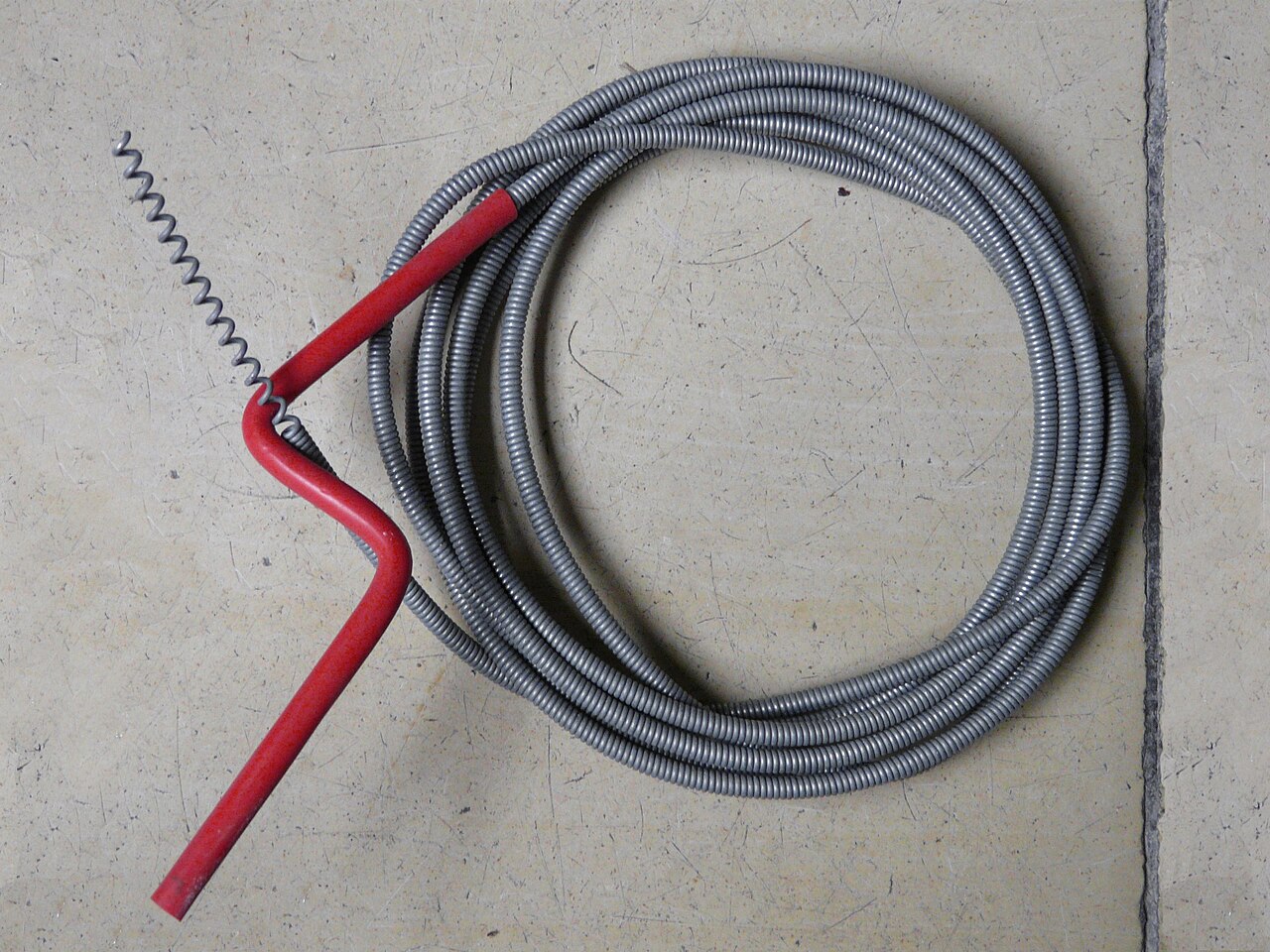
A cable clears the blockage in front of it; hydro-jetting scours the pipe wall back to bare material; a camera tells you why this keeps happening. For a first-time clog in a young house, the cable is usually the whole story. For a line that fails on a schedule — every spring, every houseguest season — the camera turns a recurring expense into a one-time answer, and around here the answer it finds is usually roots at a joint or a belly where the trench settled. Camera fees are commonly credited against repair work that follows, which makes the inspection close to free when something real turns up.
Two habits keep Albemarle drains boring: grease cools in a can instead of the kitchen sink, and nothing but the obvious goes down a toilet — on septic, those two habits are practically the whole maintenance manual for the line between house and tank.
Drain slowing down or already stopped? A free quote beats a flooded floor.
Call (434) 445-5459 Use the Form