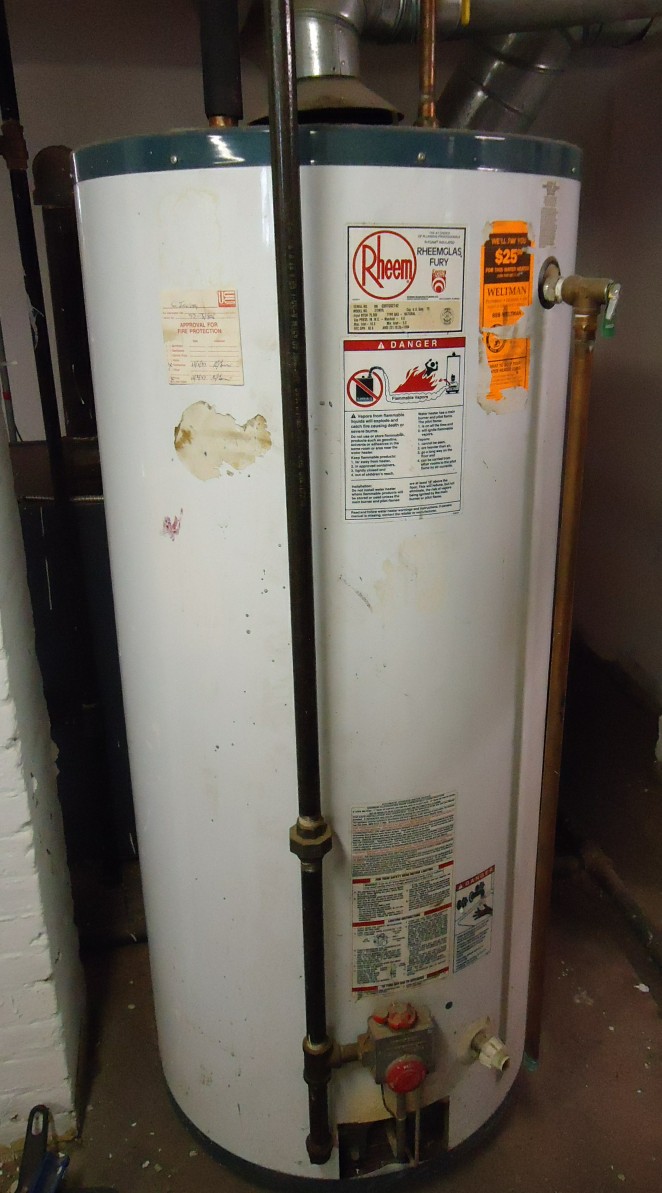
No hot water is an emergency with better manners. Repair or replace, tank or tankless, the answer starts with the unit's age and what fuels it.

Albemarle County heats its water three ways, and which way yours works decides half the service call. In the ACSA-served ring and the growth areas, natural gas and electric split the market. Out in the rural nine-tenths of the county, gas mains never arrived, so the choice runs electric or propane — and propane brings a tank in the yard, its own supplier relationship, and gas-train work that belongs to the licensed gas-fitting side of the trade. Virginia handles that cleanly: gas fitting is its own designation under the state's DPOR licensing system, typically held right inside plumbing and HVAC shops, so a properly credentialed pro can carry both the water side and the fuel side of your job — and should be able to say plainly which credentials cover which.
Water quality writes the other half of the story. Homes on RWSA reservoir water get a consistent, treated supply; homes on private wells inherit whatever their particular drilled seam delivers, and around this part of the Piedmont that can mean enough iron or mineral load to shorten element life and settle sediment on a tank floor years ahead of schedule. If your well water stains fixtures, tell the pro — it changes both the repair diagnosis and the replacement recommendation.
| Job | Typical range |
|---|---|
| Water heater repair (element, thermostat, valve) | $175 – $700 |
| Tank replacement, 40–50 gallon, like for like (installed) | $1,300 – $2,700 |
| Tankless installation | $2,800 – $5,800 |
Water heater figures here come from regional cost research and describe where most Albemarle County installations land — nothing firmer. The binding number arrives with the licensed pro who has seen your utility room, your venting, and whether your house runs on natural gas, propane, or electric. Virginia, helpfully, does not add sales tax to separately stated labor, so the quote you approve is closer to the final invoice than it would be in many states.
Under about eight years old with a failed element, thermostat, thermocouple, or valve, repair wins — parts are cheap and the tank has life left. Past ten or twelve years, or with water weeping from the tank body itself, replacement wins, because a seam leak is the tank's retirement letter and new parts on a dying tank is the same bill paid twice. In between sits judgment: how hard your water is, whether the anode was ever changed, where the tank sits. A heater in an upstairs closet earns replacement earlier than the same heater in a garage, for the plain reason that its failure mode involves your ceilings. When the call is genuinely close, the quote gives you both numbers and the decision stays yours.
One cold-climate note: a tank that lives in an unheated outbuilding or vented crawlspace works harder every winter and freezes first in a long power cut. Insulating the first few feet of its supply lines is cheap and pays for itself the first single-digit week of January.
Lukewarm, rumbling, or leaking? Get the free assessment before it picks its own timing.
Call (434) 445-5459 Use the Form